Liberty means responsibility. That is why most men dread it.
~George Bernard Shaw
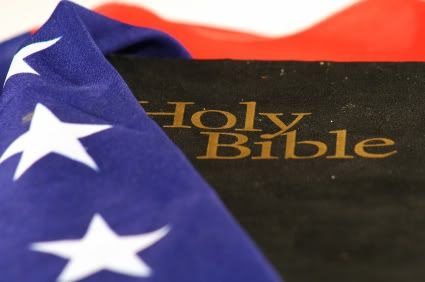
This week at unTapped, we will discuss the meaning of liberty and freedom, as we approach Independence Day. What does it mean to you to be free? Does Freedom mean that our nation is merely politically independent from other nations, or does it mean that the United States is a geographic zone of personal freedom? Does your belief in freedom make you more or less patriotic? What does it mean to have freedom of religion to you?
We will be meeting at Moka this Thursday, 7pm. Join us for a conversation about freedom, faith and patriotism!
I heard a conversation between two people who were discussing the United States' Constitution. One of the people claimed that the US Constitution was weak because it failed to include the voices of women and ethnic minorities. "Rich white men wrote it for rich white men" he insisted. At the time the Constitution was written, there was very little interest in including African-Americans, Native Americans, or women. In fact, just being poor left you out of the process (only land owners could vote or run for office). But, this seeming injustice was merely a reflection of the time that the document was written.
Most faiths depend on traditions and texts that were written hundreds or thousands of years ago. Only recently, however, have people of faith purposefully attempted to include those who were left out of the formative processes.
So, who was left out of your faith's formation? Has that changed?
join us tonight at MOKA for a discussion of faith, theology and the missing voices.
Join us, this week at MOKA (7pm) in downtown Bellaire for a discussion on interreligous harmony, and compassion.
A few weeks ago, the Dalai Lama Tenzin Gyatso, wrote an op-ed piece for the New York Times (click here). In his opinion, religious people need to be ardent adherents to their faith, but must also seek to learn from other faiths. He says that all major faiths contain a "strong unifying thread" and that thread is compassion. The Dalai Lama pleads for people of faith to refocus on the religous mandates for compassion. He says "mutual understanding among these traditions is not merely the business of religious believers — it matters for the welfare of humanity as a whole."
A Boston University religion scholar, Dr. Steven Prothero responded to the Dalai Lama's op-ed in a piece that Dr. Prothero called "The Dalai Lama is Wrong" (link). Prothero writes,
Religious exclusivism is dangerous and naïve. But so too is pretend pluralism. The cause of religious harmony is not advanced in the least by the shibboleth that all religions are different paths up the same mountain.
Prothero contends that compassion is not at the root of all religions and he calls the notion of religious harmony based on compassion "youthful naiveté".
What do you think?
Join us, this week at MOKA (7pm) in downtown Bellaire for a discussion on interreligous harmony, and compassion.
REMEMBER: This week's conversation will take place at MOKA!
The topic this week comes from Barb!
Recently, our area has heard much about a tragic story (found here) where a mother (Susan Avery Miller) was accused of killing her own teenage son. While awaiting trial, she committed suicide. There was a lot of speculation and chatter after the suicide. Amidst the chatter was an opinion expressed in several letters to the editor and internet message boards that Avery-Miller had not escaped justice and that Judgement Day would be her true sentencing.
Nobody knows the truth of this particular case and it is probably not up to us to judge. So, who is it up to? Do you believe in a Judgement Day? Who will be the Judge?
Join us for the conversation this week, 7pm, at MOKA in downtown Bellaire!
REMINDER: tonight's discussion takes place at MOKA
Weddings and Funerals are two events that go far in defining our lives and the lives of most families. What is the purpose of these ceremonies? What is accomplished by them? Is a relationship unconsecrated if there is no ceremony? Is a person's future in jeopardy if there is no funeral ceremony?
Usually, these ceremonies are almost always spiritual or religious events. Some faith traditions see weddings and funerals as a worship service (or mass). But, should they be religious ceremonies? What are the important things to have at a funeral or wedding?
Join us, tonight, at Moka for a conversation about weddings and funerals.
There is a common, well worn theme in American literature and cinema: a person (usually a lone man) is failed by the corrupt, injustice system and is forced to take matters into his own, violent hands. Here are a few examples:
In the film "Edge of Darkness," Mel Gibson's character (Tom Craven) says "You better decide if you're hanging on the cross or bangin' in the nails." To solve the injustice of his daughter's murder, he brings violence to the powerful perpetrators.
The ultimate American example of the belief in the Redemptive uses of violence is the American Western. Here is Gary Cooper in High Noon. The Sherrif forsakes even his pacifist wife to violently solve the problems of the terrorized town.
All this leads to our topic: in real life, does violence solve anything? Pacifists tend to think that violence only causes more problems. Is this true? Are there times when violence and killing are necessary? What role should violence in media (television, film, video games, literature) play in developing our understanding of violence?
Here are a few more links to check out:
LINK - The effects (or lack thereof) of violent video games on our ethics and spirituality
LINK - "I'm a pacifist because I'm a violent son of a bitch" Theologian Stanley Hauerwas on being in a Christian pacifist minority
LINK - Dr. David Martin on how a pacifist religion becomes a violent power
REMEMBER: Tonight's conversation will take place at Moka. Join us at 7pm for the conversation!
Short's is hosting a CD release party the next 2 Thursdays. It should be lots of fun with live music. However, that also makes a conversation rather difficult. So, feel free to head to Short's this Thursday and next, but unTapped will not be hosting a conversation for those weeks.
In order to live man must believe in that for which he lives. - Huston Smith
unTapped is a conversation about faith and spirituality. There are many people frustrated by being forced to think of faith in the same old patterns, and would prefer to explore spirituality in different ways.
Anything goes here. No matter where you are or who you are, we want to hear from you. Feel free to join in the conversation!
You can also join us in person, every Thursday night at Short's Brewing Company in Downtown Bellaire, MI. _____________________________________



 The topic this week comes from Barb!